Ever caught yourself wondering, “is it window seal or sill?” You’re not alone. These terms are often used interchangeably, but they actually refer to two very different parts of a window. Understanding the difference isn’t just about sounding smart—it can save you time, money, and confusion when dealing with repairs or installations.
In this guide, we’ll break down everything you need to know about window seal or sill, explain their roles, and help you use the right term confidently.
What Is a Window Seal?
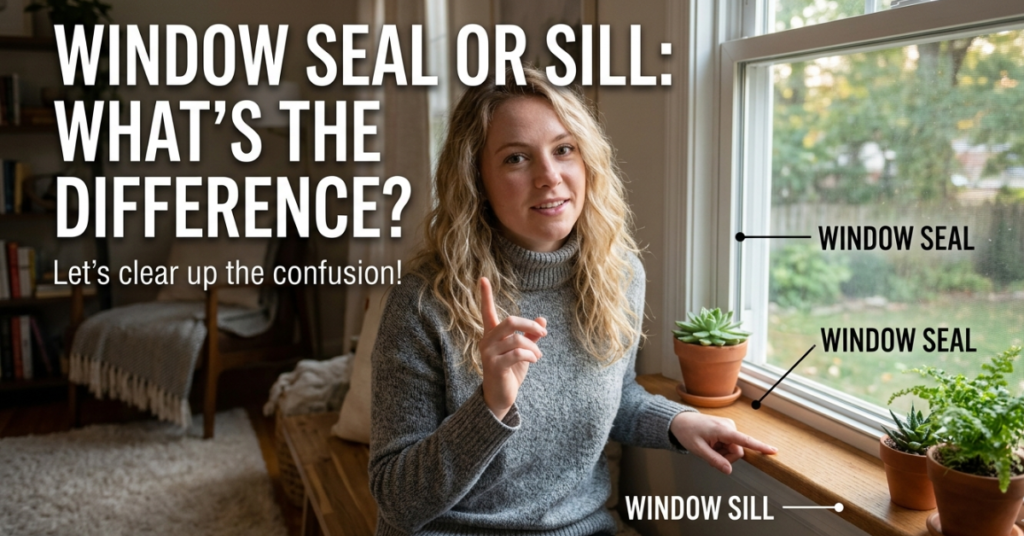
A window seal is an invisible but essential component. It refers to the airtight barrier that keeps the window panes tightly sealed together.
Key Functions of a Window Seal:
- Prevents air leaks
- Keeps moisture out
- Improves insulation
- Enhances energy efficiency
Most modern windows, especially double- or triple-glazed ones, rely heavily on seals to maintain indoor temperature. When a seal fails, you might notice foggy glass or condensation between panes.
What Is a Window Sill?
A window sill, on the other hand, is the horizontal surface at the bottom of your window frame. It’s visible, tangible, and often used for both structural and decorative purposes.
Types of Window Sills:
- Interior sill – Found inside your home, often used for décor
- Exterior sill – Located outside, designed to drain water away
Main Functions:
- Supports the window structure
- Directs rainwater away from the wall
- Adds aesthetic appeal
Window Seal or Sill: What’s the Real Difference?
Let’s clear the confusion once and for all.
| Feature | Window Seal | Window Sill |
|---|---|---|
| Location | Between glass panes or frame edges | Bottom horizontal part of window |
| Visibility | Hidden | Visible |
| Purpose | Insulation and airtight sealing | Support and water drainage |
| Material | Rubber, silicone, or sealant | Wood, stone, metal, or PVC |
So if you’re asking “is it window seal or sill?”, the answer depends on what you’re referring to—insulation vs. structure.
Common Problems and How to Fix Them
1. Window Seal Issues
Signs your seal might be failing:
- Foggy or cloudy glass
- Drafts near the window
- Increased energy bills
Fix:
- Minor issues: Apply sealant
- Major damage: Replace the insulated glass unit
2. Window Sill Problems
Common issues include:
- Rotting wood
- Cracks or chips
- Water pooling
Fix:
- Sand and repaint minor damage
- Replace severely damaged sills
Why Knowing the Difference Matters
Understanding the difference between window seal or sill isn’t just technical—it’s practical.
Here’s why:
- Helps you communicate clearly with contractors
- Prevents costly misunderstandings
- Ensures proper maintenance
- Improves home energy efficiency
Maintenance Tips for Long-Lasting Windows
Keep both components in great shape with these simple tips:
For Window Seals:
- Check for condensation regularly
- Avoid harsh chemicals when cleaning
- Inspect for cracks or gaps
For Window Sills:
- Keep them clean and dry
- Repaint or reseal wooden sills annually
- Ensure proper drainage outside
FAQs
1. Is it window seal or sill?
Both are correct terms, but they refer to different parts. A seal keeps air and moisture out, while a sill is the bottom ledge of the window.
2. Can a damaged window seal be repaired?
In some cases, yes. However, severe damage often requires replacing the glass unit.
3. What material is best for window sills?
It depends on your needs. Wood is classic, while stone and PVC are more durable and weather-resistant.
4. How do I know if my window seal is broken?
Look for foggy glass, drafts, or higher energy bills—these are common signs.
5. Do all windows have sills?
Yes, most windows include a sill for structural support and water management.
Conclusion
So, next time you find yourself asking “is it window seal or sill?”, you’ll know exactly what each term means. While the seal works behind the scenes to insulate your home, the sill provides visible support and protection.
Understanding both helps you maintain your windows better, avoid costly repairs, and communicate clearly when it matters most. If you’re planning upgrades or repairs, take a closer look at both components—you might be surprised how much they impact your home’s comfort and efficiency.
Ready to learn more? Explore related home improvement topics and keep your space in top shape.